Hello everyone, my name is Aaliya today we will see the adaptation in living organisms
What is Adaptation? Gradual changes occur in the body parts and also in the behavior of organisms which help them to adjust to their surroundings. Such a changes are adaptation
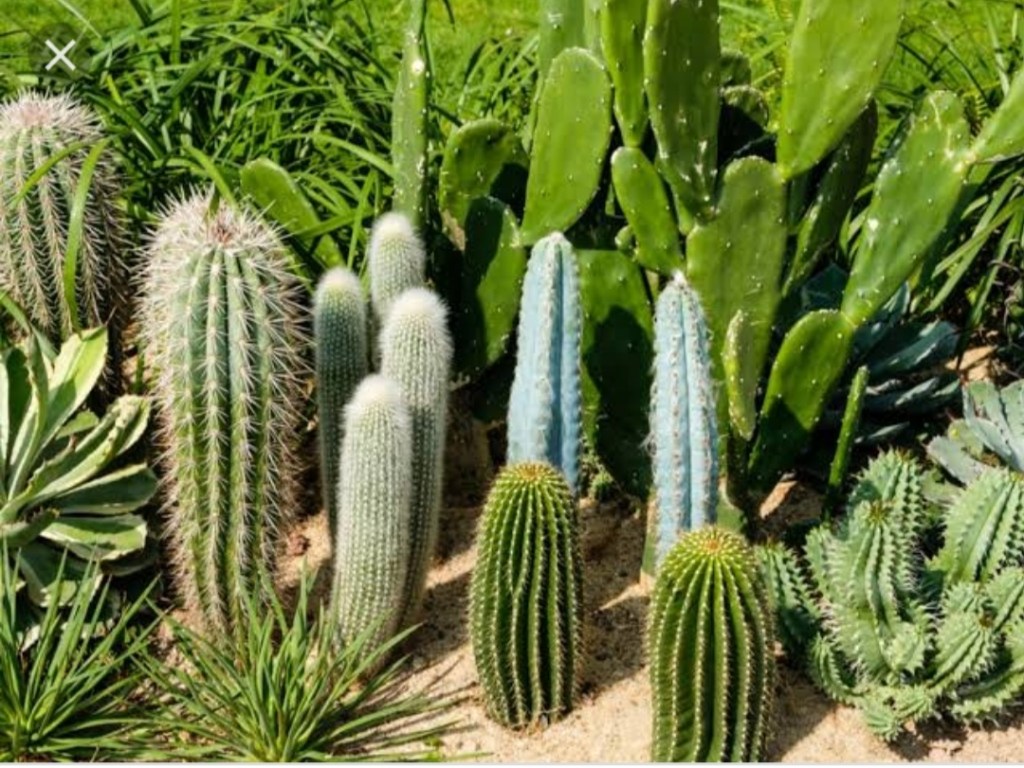
Adaptation in desert plants.
Desert plants are either leafless or their leaves are like small needles or have been modified into thorns. As a result, they lose very little water by evaporation. The stem stores water and food and is therefore fleshy. The stems are green as they perform photosynthesis in the absence of leaves. Their roots penetrate deep into the soil and some roots spread away into the soil and some of water.
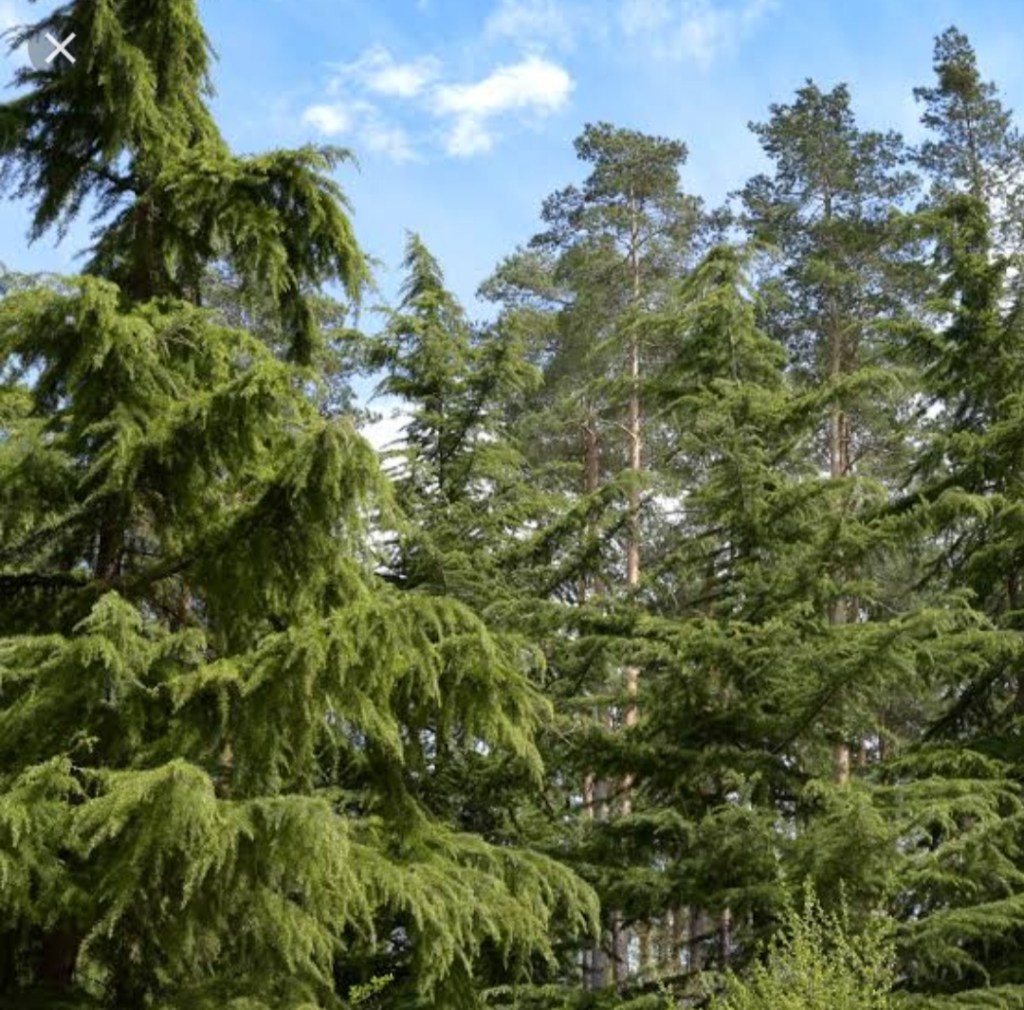
Adaptation in plants of snowy regions
Plants of snowy regions mainly include conifers like deodar and pine. These tree ate conical in shape of due to their sloping branches. In the heavy snowfall and extreme cold in these regions, their conical shape prevents the snow from accumulating on the tree and the thick bark helps the tree to withstand the cold.
Adaptation in animals.
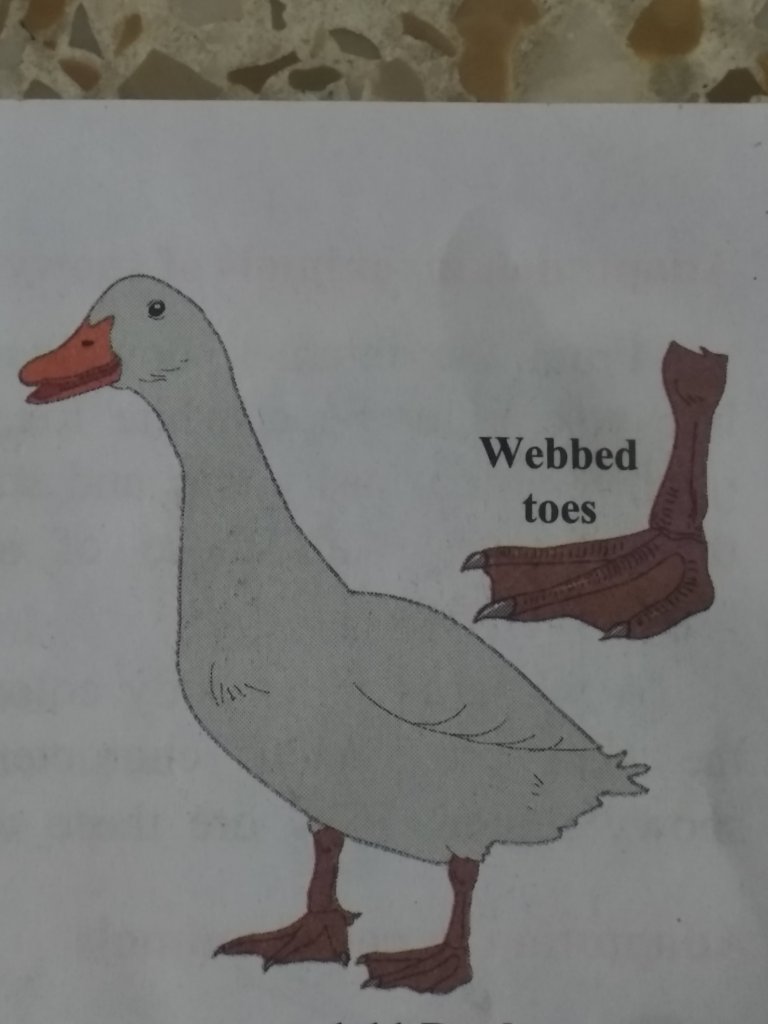
As the frog and duck have webbed toes, they can use their legs like oars. Waters flows off the waxy feathers of birds like duck and waterhen. Webbed toes, slippery, smooth skin and a triangular head help frogs to swim easily through water. They can live on land as well as in water due to their ability to breathe through the skin inn water and using the nose and lungs on land.
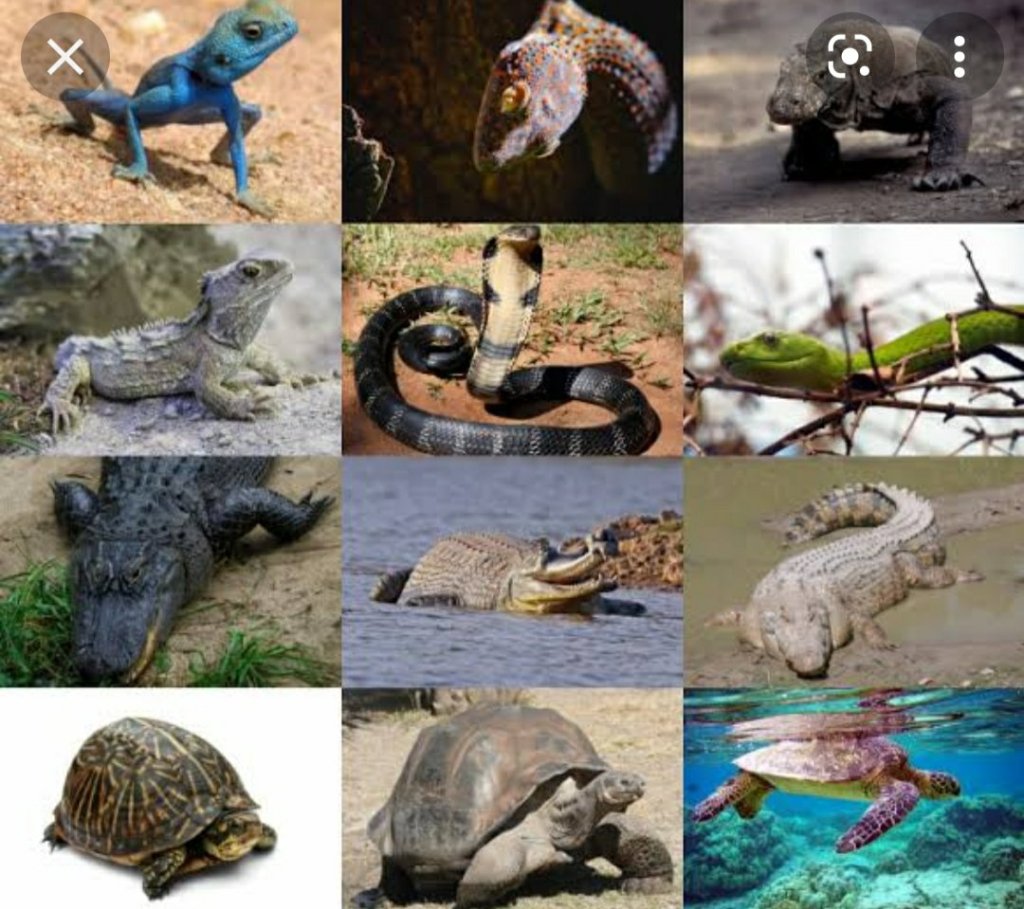
Adaptation in reptiles.
Observe, from a distance, how snakes and earthworms creep. Which organs do they use for that creeping? Are there any special changes for that purpose? Note any such changes. Animals like house lizard, garden lizard, crocodile use their muscles for creeping. Similarly, they show adaptations in skin, soles of feet, body colour,etc. For example, try house lizard and monitor lizards have clawed toes and think soles, whereas Snake have a scaly skin
Adaptation in desert animals
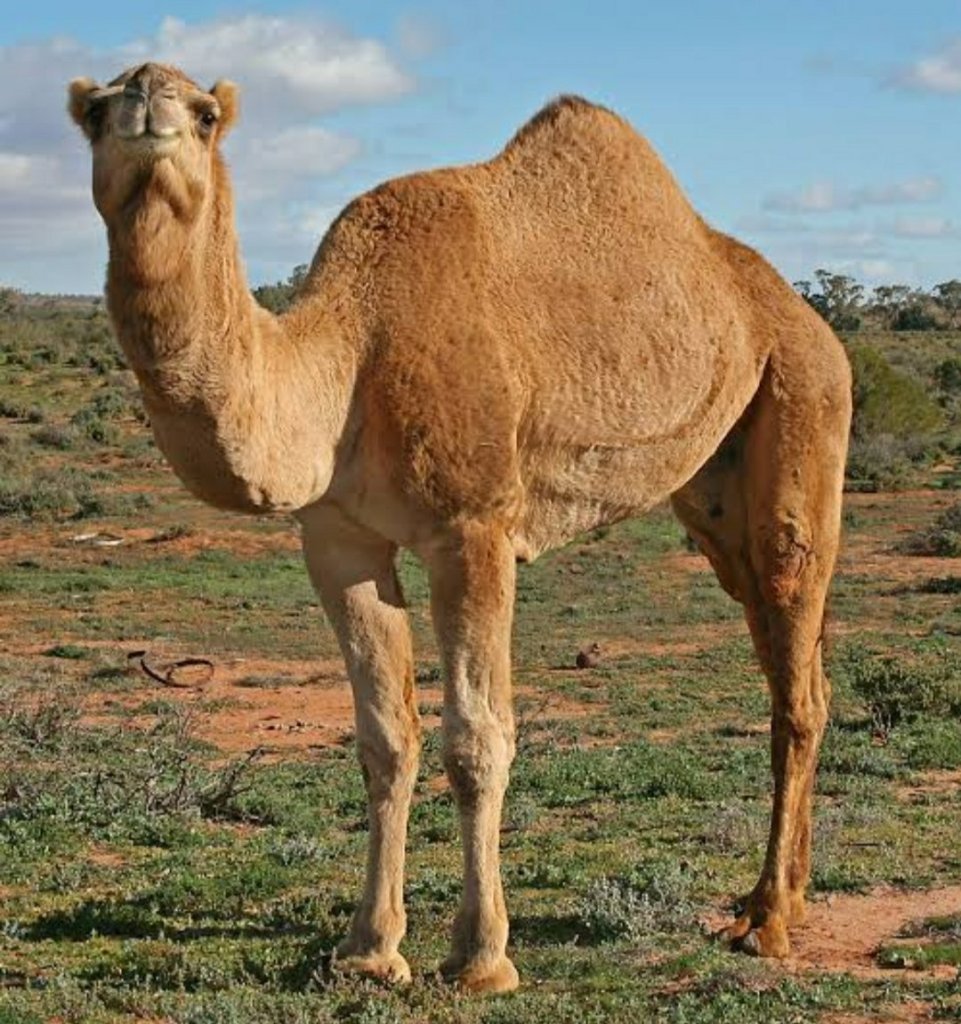
Deserts are characterized be severe scarcity of water. Hence, animals have a thick skint to prevent loss of water from the body . Their legs are long with flat and cushioned soles. The nostrils are protected by folds of skin. The eyelashes are long and thick . Rats, snakes, spiders, lizards in desert live in deep burrows during day time and are active at night.

 FAMOUS HISTORICAL PLACE